In today's society, coffee machines have become a necessity in many People's Daily lives. With the increase of environmental awareness, more and more consumers and manufacturers are concerned about the environmental performance of products. The Restriction of the Use of Certain Hazardous Substances (ROHS) Directive is a European Union directive on the restriction of the use of certain hazardous substances in electrical and electronic equipment, aimed at protecting the environment and human health. Therefore, for coffee machines exported to the European Union, obtaining a ROHS test report is essential.
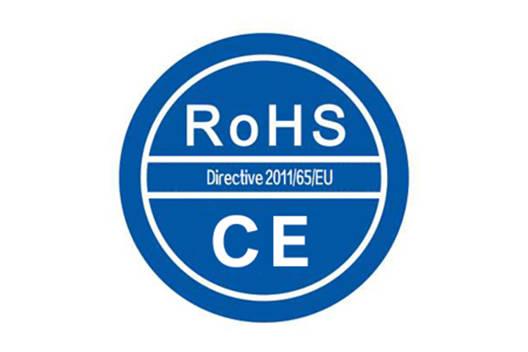
Understand the ROHS Directive
The ROHS Directive is a regulation developed by the European Union to reduce the use of hazardous substances in electrical and electronic equipment. It restricts the use of six hazardous substances, including lead, mercury, cadmium, hexavalent chromium, polybrominated biphenyls and polybrominated diphenyl ethers. These substances are potentially harmful to both the environment and human health, so compliance with the ROHS Directive is a social responsibility and legal obligation of manufacturers.
ROHS test project
1. Material analysis: Material analysis of each component of the coffee machine to determine whether it contains harmful substances restricted by the ROHS directive.
2. XRF test: X-ray fluorescence spectroscopy is used for rapid screening of components to detect the presence of heavy metal elements.
3. ICP-AES test: precise quantitative analysis of samples by inductively coupled plasma atomic emission spectrometry.
4. GC-MS test: Gas chromatoc-mass spectrometry is used to detect organic pollutants such as polybrominated biphenyls and polybrominated diphenyl ethers.
Procedures for handling ROHS test report
1. Sample preparation: According to the structure and material of the product, prepare enough samples for testing.
2. Select a testing agency: Select a qualified and experienced testing and certification company, such as ZRLK, to ensure the accuracy of the test and the recognition of the report.
3. Submit the application: Submit the test application to the testing institution, and provide the relevant information of the product, such as the manual, the bill of materials, etc.
4. Test: The testing agency will conduct a series of tests on the sample to verify whether it meets the requirements of the ROHS directive.
5. Issue report: After the test is completed, the testing agency will issue a formal ROHS test report, which will be used for market access and international trade of the product.
Handling the ROHS test report for the coffee machine is an important step in ensuring that the product complies with Environmental Protection requirements and international regulations. By choosing a professional organization such as ZRLK, you can obtain efficient and accurate testing services to win the trust and competitiveness of your products in the market.