The PSE certification of coffee machines is a mandatory safety certification required by the Electrical Appliance Safety Law (DENAN Law) of Japan. Its main purpose is to ensure that electrical appliances meet the safety standards of the Japanese market and safeguard the lives and property of consumers.
Scope of application
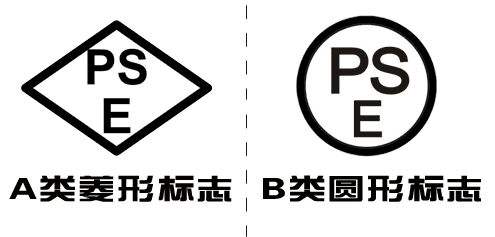
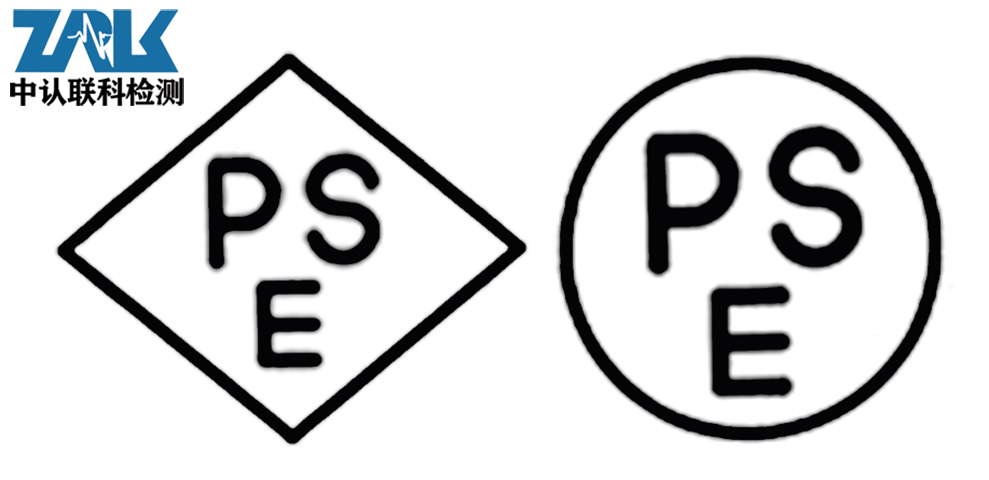
In Japan, electrical appliances are classified into specific electrical appliances and non-specific electrical appliances. Coffee machines are non-specific electrical appliances and must pass the PSE certification and be affixed with the PSE circular mark before they are allowed to be sold in the Japanese market.
Certification standard
The PSE certification for coffee machines mainly relies on Japan's electrical safety standards, which cover multiple aspects such as electrical safety, mechanical safety, and heat generation of coffee machines. For instance, there are strict requirements for the electrical performance of coffee machines, such as insulation resistance, electrical strength, and leakage current. In terms of mechanical structure, it is necessary to ensure that the casing is sturdy and not easily damaged to prevent users from being injured during operation.
Certification process
1. Application: The enterprise submits a certification application to a qualified certification body, providing relevant materials of the coffee machine, such as product manuals, specification parameters, circuit diagrams, etc.
2. Testing: The certification body conducts various safety tests on coffee machine samples to check if the products comply with relevant Japanese standards.
3. Audit: The certification body reviews the quality management system of the enterprise to ensure that the enterprise has the ability to stably produce products that meet the standards.
4. Certification: If both the product testing and factory inspection are passed, the certification body will issue a PSE certification certificate.
Certification significance
For enterprises, obtaining PSE certification is a necessary condition for entering the Japanese market. It helps to enhance the market competitiveness of the product and increase consumers' trust in the product. For consumers, a coffee machine with the PSE mark means that the product has undergone strict safety tests and is more reassuring to use. When enterprises conduct PSE certification for coffee machines, they should choose professional and reliable certification bodies to ensure the smooth progress of the certification process.