
In the fields of consumer electronics and new energy, battery safety is an unavoidable topic, and the IEC 62133 report is precisely an important basis for measuring the safety of rechargeable batteries. This standard formulated by the International Electrotechnical Commission is not a single document but is divided into two parts, -1 and -2: -1 focuses on nickel-based batteries such as nickel-cadmium and nickel-metal-hydride, while -2 focuses on lithium-ion and lithium-polymer lithium-based batteries. In 2025, a new short-circuit burning duration test item was added, further raising the safety threshold.
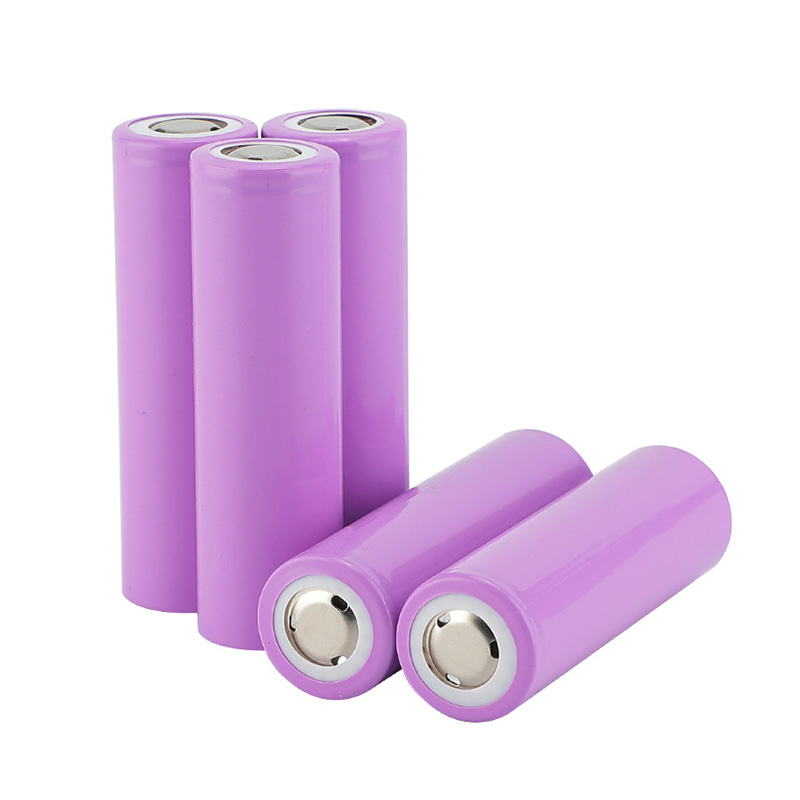
Its application scope covers common daily devices, ranging from the batteries of mobile phones and Bluetooth headphones to the power supplies of power tools and portable medical instruments, and even small energy storage devices all need to meet the requirements. The testing process can be described as "rigorous". The battery cells have to undergo continuous low-rate charging, 130℃ thermal abuse, 13kN compression and other tests. The battery pack also needs to undergo additional tests for overcharge protection, overdischarge protection and other functions. For instance, the error of the charging cut-off voltage must be controlled within ±1% to ensure safety under extreme conditions.
There is a fixed process for obtaining an IEC 62133 report. First, submit battery specification sheets, circuit schematic diagrams and other materials to the certification body to get a quotation. Then, provide 15 batteries and 25 cells for testing. The entire process usually takes 4 to 6 weeks. It should be noted that it differs from the UN38.3 standard, which focuses on transportation safety and has a test cycle of only 7 to 10 days. In contrast, IEC 62133 pays more attention to long-term reliability in use and serves as the foundation for certifications such as the EU CE and Japan PSE. To enter the EU market, it is also necessary to meet the new battery regulations' restrictions on hazardous substances.
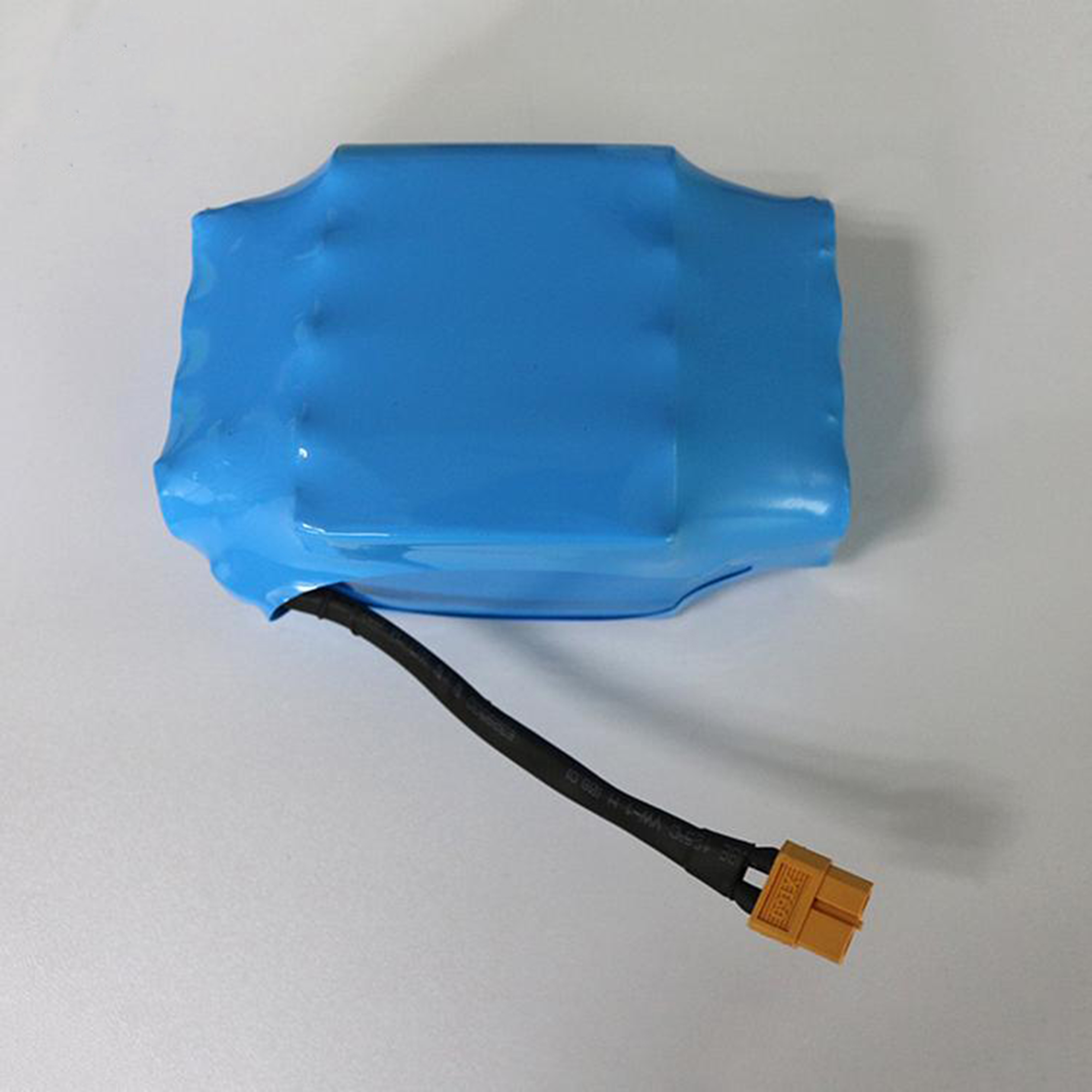
For enterprises, this report is not only a "pass" for product compliance, but also the key to winning consumers' trust. For ordinary users, checking whether the product has a report that meets this standard is also a simple way to determine whether the battery is safe or not.