Tablets exported to Canada must obtain ISEDIC certification if they have built-in wireless transmission modules such as WiFi and Bluetooth. This is a legally mandated certification from Innovation, Science and Economic Development Canada (ISED) for radio frequency consumer electronics, and it is the only compliance certificate for tablets to clear customs and enter the market. As a strictly regulated electronic product category in Canada, tablets without proper ISEDIC certification will be detained upon arrival at Canadian customs, resulting in hefty storage fees, fines, delivery delays, and even being blacklisted, thus missing out on the Canadian consumer electronics market entirely.
ISEDIC certification for tablets is based entirely on the product's characteristics, focusing on three core verification dimensions, perfectly aligning with the tablet's portability, high-frequency wireless connectivity, and long battery life requirements. First, RF parameter compliance is crucial. Strict verification of WiFi and Bluetooth transmission frequencies and power is required to ensure compliance with Canadian civilian communication frequency band regulations and prevent signal interference with public communications. Second, electromagnetic compatibility testing is essential, examining electromagnetic radiation during multitasking and network connectivity to avoid interference with surrounding electronic devices. Finally, basic safety checks are necessary, testing battery life, heat dissipation, and charging safety to meet Canadian consumer electronics safety standards. All three tests are indispensable.
The ISEDIC certification process for tablets is straightforward and targeted, requiring no extra steps. Companies must prepare a complete tablet identical to their mass-produced products; individual modules cannot be submitted for testing. This must be accompanied by an English product specification sheet, RF module parameter table, circuit diagram, and user manual. Testing is conducted by a third-party laboratory authorized by ISED in Canada. If any tests fail, the laboratory will provide a tablet-specific rectification plan, optimizing the RF or safety modules before retesting. Resubmitting the entire set of documents is unnecessary.
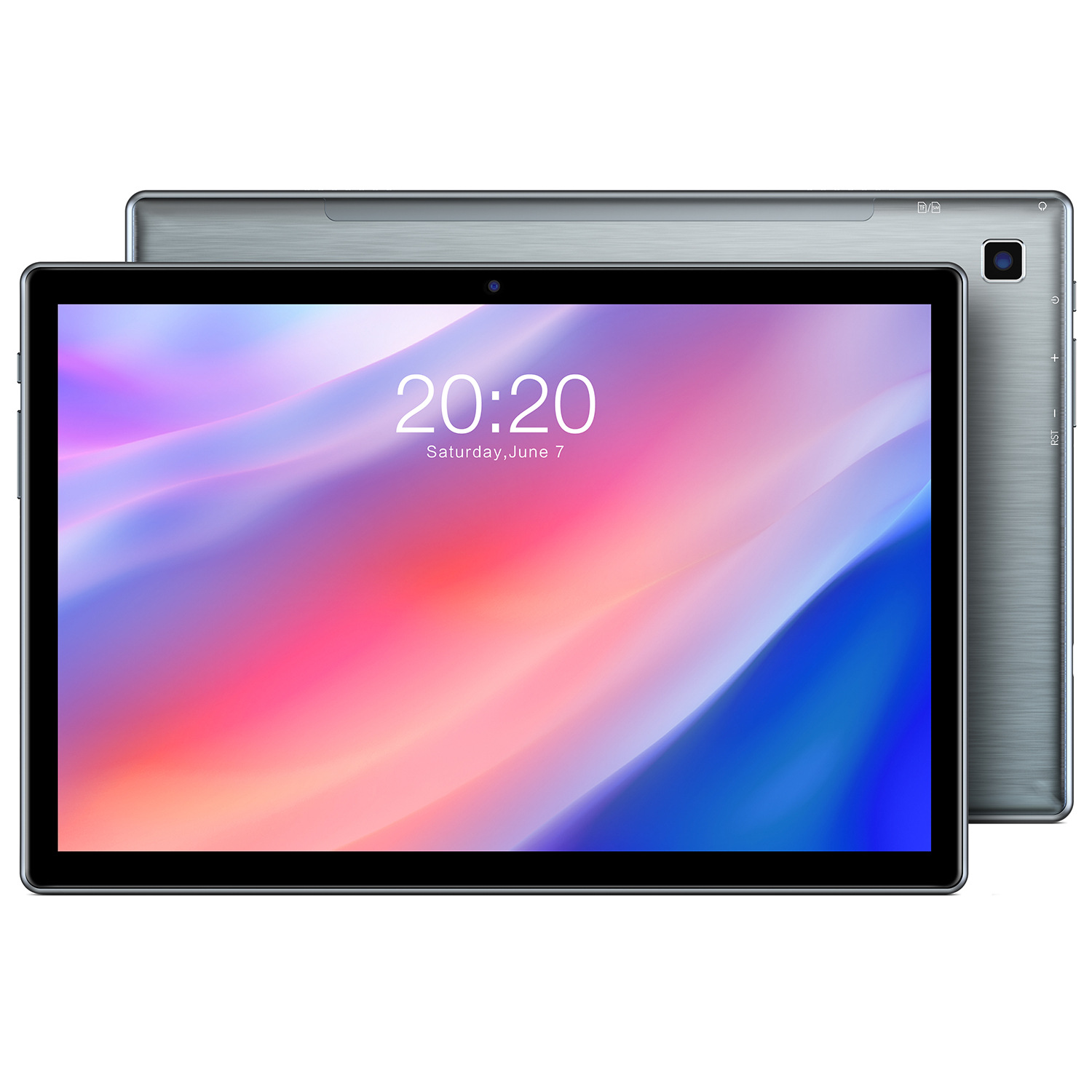
After successfully obtaining ISEDIC certification, the certification mark must be clearly affixed to a prominent position on the tablet and its outer packaging. Test reports and certification certificates should also be properly retained to prepare for customs and local market inspections. For tablet exports to Canada, ISEDIC certification is not an extra step, but rather the foundation for establishing a foothold in the local market. Compliance ensures smooth customs clearance, enhances product credibility in the Canadian market, mitigates subsequent after-sales and regulatory risks, and facilitates long-term stable orders.
When exporting tablets to Canada, never take chances by omitting certification or using certifications from other regions as substitutes. ISEDIC certification is the "ticket" to the local market. Proper compliance ensures swift customs clearance, avoids penalties from local market regulators after customer receipt, and provides greater confidence in maintaining existing clients and expanding Canadian channels. In practice, focusing on three key points—sample and mass production consistency, complete certification documents, and proper labeling—can help avoid most compliance pitfalls, firmly uphold the compliance standards for tablet exports to Canada, and successfully secure long-term orders.